
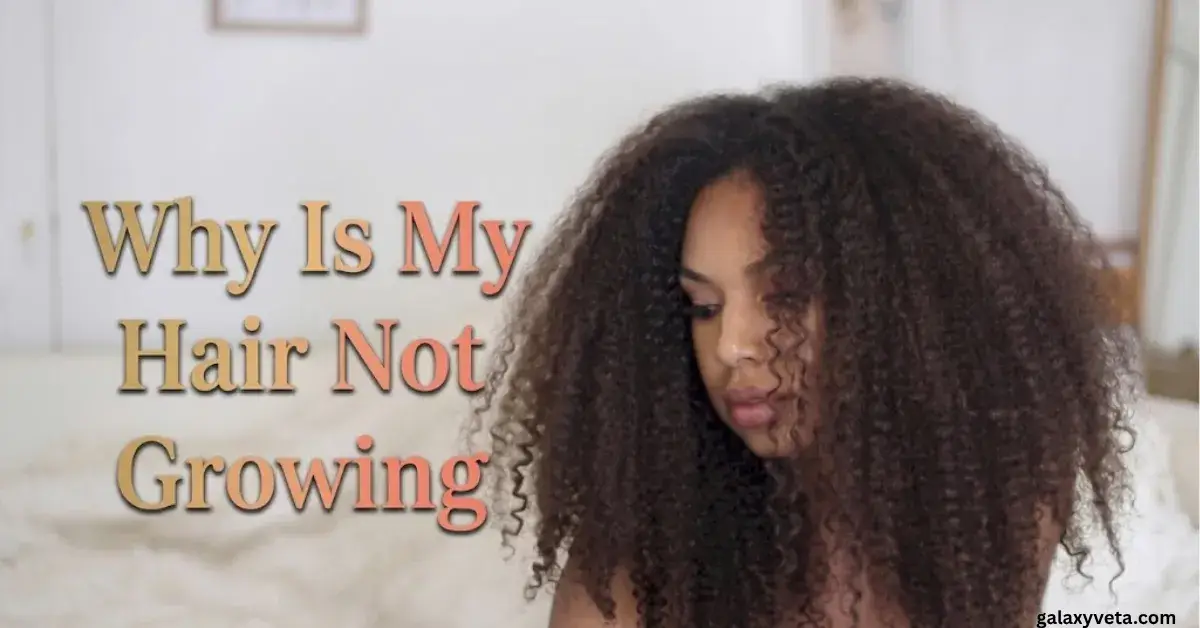
Healthy hair growth can feel frustratingly slow, especially when you’re babying your hair and still not seeing anything, like at all. If you’ve been wondering why is my hair not growing, you’re definitely not alone. A lot of people assume their hair has “stopped growing,” but really it might be dealing with hair breakage, split ends and damaged hair, making it seem like growth isn’t happening. Sometimes hair breaks faster than it grows and you just don’t notice the tiny loss day after day.
For a lot of folks, the hair growth itself is happening pretty normally, but dry hair, heat damage, breakage and general damage stop you from retaining length. The good news though, is that small tweaks in your daily routine, better scalp care and healthier styling habits can make a big difference sooner than you’d expect.
Read Also: 21 Gorgeous 4B Styles That Show Off Your Natural Texture
Hair Cycle

Hair grows through a natural cycle that affects its length, thickness and overall health.
Anagen Phase (Growth Stage)
This is the active stage where hair grows continuously from the follicle. The anagen phase can last between 2 and 7 years depending on genetics and overall health.
Catagen Phase (Transition Stage)
During this short phase, hair growth slows and the follicle begins shrinking.
Telogen Phase (Resting Stage)
Hair rests for a few months before eventually shedding naturally.
Exogen Phase (Shedding Stage)
Old hairs fall out so new strands can grow in their place.
Understanding the hair cycle helps explain why hair growth may appear slow or inconsistent
Why Won’t Hair Grow?

There are several reasons why hair may stop growing properly or appear stuck at the same length.
Genetics and Natural Hair Growth
Genetics play a major role in determining how quickly your hair grows and how long the growth phase lasts.
Hair Type Variations
Straight Hair
Straight hair often appears to grow faster because the length is easier to see.
Wavy Hair
Wavy hair can become dry at the ends, increasing the risk of split ends.
Curly Hair
Curly hair is more fragile because natural scalp oils struggle to travel down the strands.
Coily Hair
Coily hair experiences more shrinkage and breakage, making growth harder to notice.
Hair Breakage
One of the most common reasons hair “doesn’t grow” is excessive breakage.
Signs of Hair Breakage
- Split ends
- Frizzy ends
- Uneven hair length
- Hair snapping while brushing
- Excessive shedding
Heat tools, bleaching and tight hairstyles often weaken the hair shaft over time.
Read Also: Wet Hairstyles Trendy Looks That Always Feel Effortless
Poor Scalp Health
Healthy hair starts with a healthy scalp.
A scalp with buildup, irritation or dandruff may affect the condition of hair follicles.
Common Scalp Problems
- Dry scalp
- Excess oil
- Product buildup
- Itching
- Flaking
Using gentle shampoos and regular scalp cleansing can improve the environment for hair growth.
Nutritional Deficiencies
Hair requires vitamins and nutrients to grow properly.
Low levels of these nutrients may affect growth:
- Iron
- Protein
- Vitamin D
- Zinc
- Biotin
- Omega-3 fatty acids
Crash diets and poor eating habits often contribute to weak or thinning hair.
Stress and Hormonal Changes
Stress can interrupt the natural hair growth cycle.
Hormonal changes related to pregnancy, menopause, thyroid imbalance or lack of sleep may also affect hair growth.
Why Is My Hair Not Growing in Certain Situations?

Sometimes hair growth slows due to specific situations or habits.
After Bleaching or Coloring
Chemical treatments weaken hair strands and increase breakage.
During Winter
Cold weather often causes dryness and brittle ends.
After Frequent Heat Styling
Flat irons and curling tools damage the hair cuticle when used excessively.
After a Bad Haircut
Uneven layers may make hair appear shorter even while it continues growing.
Due to Aging
Hair naturally becomes thinner and slower-growing with age.
What Can I Do If My Hair Isn’t Growing?

Improving hair growth takes consistency and healthier habits.
Prioritize Scalp Care
A healthy scalp supports stronger hair follicles.
Helpful Scalp Care Tips
- Massage your scalp regularly
- Avoid heavy product buildup
- Use clarifying shampoo occasionally
- Keep the scalp hydrated
Trim Split Ends Regularly
Regular trims help prevent breakage from spreading further up the hair strand.
Reduce Heat Damage
If you frequently style your hair with heat:
- Lower the temperature
- Use heat protectant sprays
- Limit styling sessions weekly
Improve Your Hair Routine
Best Maintenance Tips
- Deep condition weekly
- Use sulfate-free shampoo
- Detangle gently
- Avoid harsh brushing
- Protect hair during sleep
How Can I Speed Up Hair Growth?

Although there’s no instant solution, healthy habits can support stronger and faster-looking growth.
Natural Ways to Support Hair Growth
Eat a Balanced Diet
Protein-rich foods support stronger hair strands.
Stay Hydrated
Water supports scalp and follicle health.
Massage the Scalp
Scalp massages may improve circulation around hair follicles.
Use Nourishing Oils
Popular oils include:
- Rosemary oil
- Argan oil
- Peppermint oil
- Coconut oil
Reduce Stress Levels
Managing stress may help reduce shedding and support healthier growth.
Styling Tips for Healthier Hair
Protective styling can reduce breakage while helping hair appear fuller and longer.
Best Protective Hairstyles
- Loose braids
- Low buns
- Twist styles
- Heatless curls
- Silk wraps
Hairstyles Based on Face Shape
Round Face
Long layers create a more elongated appearance.
Oval Face
Most hairstyles work well with balanced facial proportions.
Square Face
Soft waves help soften angular jawlines.
Heart-Shaped Face
Curtain bangs and shoulder-length cuts help balance the forehead.
Seasonal Hair Care Trends
Summer Hair Care
- Protect hair from UV rays
- Rinse chlorine after swimming
- Use lightweight hydrating products
Winter Hair Care
- Avoid very hot showers
- Use richer conditioners
- Sleep on silk pillowcases
Common Hair Growth Mistakes
Many people accidentally damage their hair while trying to grow it.
Mistakes to Avoid
- Tight ponytails every day
- Excessive bleaching
- Daily heat styling
- Overwashing
- Skipping conditioner
- Ignoring scalp health
Pro Tips From Hair Experts
Focus on Length Retention
Hair growth matters less if breakage continues.
Protect Hair at Night
Silk bonnets and pillowcases reduce friction.
Be Patient
Hair usually grows around half an inch per month naturally.
Avoid Product Overload
Too many oils and treatments may clog the scalp.
When to Talk With a Doctor
Sometimes slow hair growth may signal a medical issue.
Speak with a doctor or dermatologist if you notice:
- Sudden hair thinning
- Bald patches
- Excessive shedding
- Severe scalp irritation
- Hair loss after medication use
- Persistent itching or redness
A professional can evaluate hormonal imbalances, scalp conditions and nutritional deficiencies.
FAQs
Why is my hair not growing past a certain length?
Your hair may be growing normally but breaking at the ends because of dryness or damage.
Does trimming hair make it grow faster?
No, trimming doesn’t speed up growth, but it helps reduce breakage.
Can stress affect hair growth?
Yes, stress can trigger temporary hair shedding and disrupt the growth cycle.
Which hair type breaks the most?
Curly and coily hair types are more fragile and prone to breakage.
How fast does hair grow naturally?
Hair typically grows about half an inch per month.
Do hair oils really work?
Some oils help improve scalp health and reduce breakage when used consistently.
Final Thoughts
Healthy hair growth needs patience, consistency and the right hair care routine. Instead of chasing quick overnight changes, focus on reducing hair breakage, improving scalp health and protecting your natural hair every single day.
Small habits like proper scalp care, minimizing heat damage and maintaining healthy length retention often lead to the biggest long-term hair growth results.