
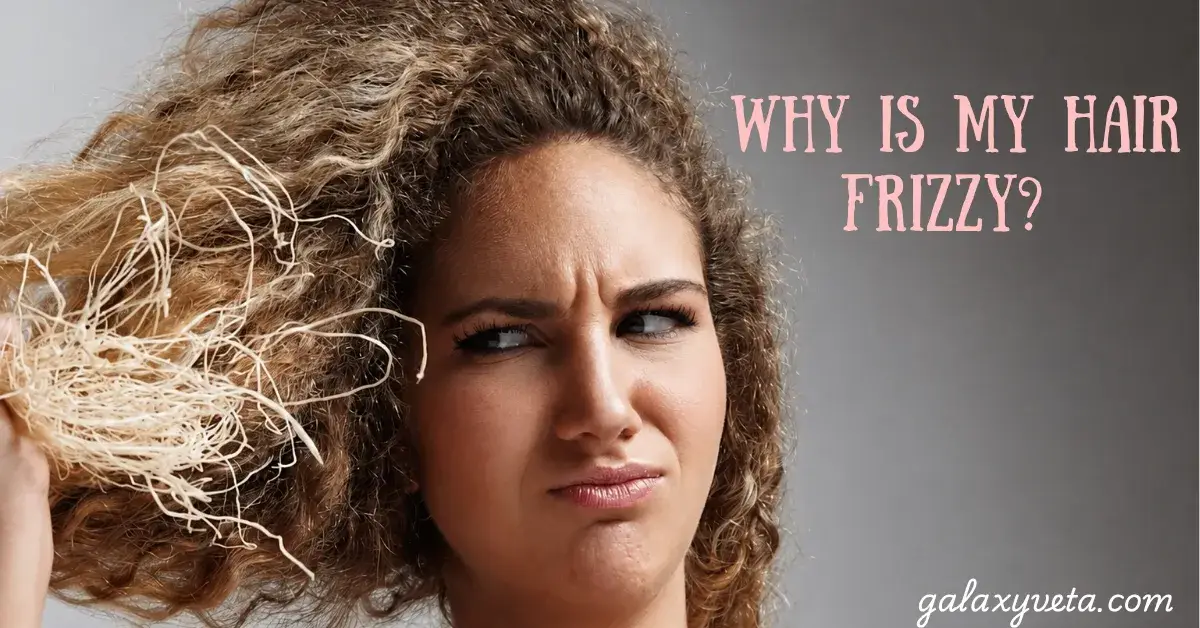
You step out of the shower, spend twenty minutes carefully styling your hair and the moment you walk outside poof. It’s a frizzy cloud again. Sound familiar? You’re not alone and more importantly, it’s not just bad luck or genetics.
Frizzy hair usually comes down to a handful of specific, fixable habits. Some of them might surprise you. Others are things you’ve probably been told are fine they’re not. This guide breaks down every real reason your hair is fighting you, what’s actually happening at the cuticle level and what you can do about it today.
Hair becomes frizzy when the outer cuticle layer is raised or damaged, allowing moisture from the air to swell the hair shaft unevenly. This is almost always triggered by a combination of heat damage, incorrect products, and everyday handling habits all of which are fixable.
Read Also: Dry Scalp Remedies at Home That Work Overnight
Understanding Why Is My Hair Frizzy: The Science Behind the Frizz

Frizz is not just bad luck it is pure science. Every single strand of your hair is covered by a protective outer layer called the cuticle, which is made up of tiny overlapping scales. When these scales get damaged, lifted or roughed up by heat, friction or the wrong products, they can no longer lie flat and smooth.
This is when moisture from the surrounding air seeps into the hair shaft and causes it to swell unevenly in different directions. That uneven swelling is exactly what turns your smooth, freshly styled hair into a frizzy, puffed-up mess that no amount of finger-combing seems to fix.
Top Causes of Frizzy Hair
If you have been wondering why your hair refuses to stay smooth, you are not alone. Frizzy hair does not happen randomly there are specific daily habits and mistakes that are silently making it worse every single day. Here are the top causes of frizzy hair that most people overlook without even realizing it:
1. Rough-Drying Your Hair
This is probably the single most common frizz mistake and most people do it without thinking. After washing, you grab a towel and scrub your hair dry like you’re trying to win something. The problem? That vigorous back-and-forth motion physically roughs up the hair cuticle the protective outer layer of each strand.
Once the cuticle is raised and frayed, it acts like a sponge, absorbing humidity from the air and swelling unevenly. That uneven swelling is frizz. And the material of your towel matters too regular cotton terry cloth is especially rough because of its looped texture.
What to Do Instead
Swap your regular bath towel for a microfiber towel or an old, soft cotton t-shirt. Instead of rubbing, gently scrunch or squeeze the water out from the ends upward. Think gentle compression, not friction. This one change alone can noticeably reduce frizz within a week.
2. Washing with Water That’s Too Hot
Hot showers feel amazing but they’re quietly wrecking your hair. High water temperatures strip the natural oils (sebum) from your scalp and hair shaft, leaving the cuticle dry, vulnerable and wide open. An open cuticle is basically an invitation for frizz.
Beyond that, repeated heat exposure weakens the proteins that give your hair its structure, making strands more brittle and prone to breakage over time and broken, uneven strands are a frizz magnet.
The Fix
Wash with lukewarm water and finish with a cool or cold rinse. The cool rinse actually helps close the cuticle, locking in moisture and leaving hair shinier and smoother. Yes, it’s uncomfortable for about ten seconds. Yes, it makes a real difference.
3. Using the Wrong Hair Products
Not all shampoos, conditioners and styling products are created equal and some are actively making your frizz worse. Formulas loaded with drying alcohols, harsh sulfates, or pore-clogging silicones can leave your hair stripped, coated or out of moisture balance in ways that amplify frizz over time.
The key is understanding your hair’s porosity how well it absorbs and holds moisture. High-porosity hair needs heavier sealants like oils and butters to hold moisture in. Low-porosity hair needs lightweight, water-based products that won’t just sit on the surface.
Ingredients to Look For
Seek out products with humectants like glycerin, aloe vera and hyaluronic acid these draw moisture into the hair. Emollients like argan oil, jojoba and shea butter seal that moisture in. Avoid anything with “alcohol denat.” or “SD alcohol” high on the ingredients list these are drying alcohols that strip moisture rather than add it.
Read Also: Why Is My Hair Not Growing? Causes, Myths & Real Solutions
4. Touching Your Hair Too Often
It’s tempting to run your fingers through your hair throughout the day adjusting, checking, fidgeting. But every time you do, you’re disrupting the cuticle, introducing oils and friction from your fingers and breaking apart any product hold you’ve built. The result? Frizz that gets progressively worse as the day goes on.
This is especially damaging for wavy and curly hair types, where the natural curl pattern is fragile and relies on each strand staying in position to form a defined wave or coil.
Try This Instead
Style your hair once and then leave it alone. If you need to refresh midday, use a small amount of product on your palms, scrunch lightly and don’t touch it again. Less is genuinely more here.
5. Applying Styling Products at the Wrong Time
Timing matters more than most people realise. Applying leave-in conditioners, serums or styling creams to fully dry hair often leads to frizz because the cuticle is already closed, making it harder for products to penetrate and smooth properly. On the flip side, applying heavy oils to soaking-wet hair dilutes them so much they can’t do their job.
The golden window for most styling products is hair that’s dripping wet to damp right after you’ve scrunched out excess water with your microfiber towel. This is when the cuticle is slightly open and most receptive to product absorption.
A Basic Order That Works
Rinse out conditioner → gently squeeze water → apply leave-in → apply styling cream or gel → diffuse or air dry without touching. The sequence matters more than the products themselves.
6. Using Silicone-Laden Shampoos
Silicones are polarizing in the hair world and for good reason. Ingredients like dimethicone and cyclomethicone coat the hair shaft, creating a temporarily smooth, shiny appearance but they don’t actually moisturize. Over time, silicone builds up on the hair, blocking real moisture from getting in and eventually leaving strands dry, dull and frizzier than before.
The catch? Silicone buildup requires a sulfate-heavy shampoo to remove and sulfates are drying too. It becomes a cycle of stripping and recoating that progressively damages the hair’s moisture balance.
Going Silicone-Free
Look for products without ingredients ending in “-cone,” “-xane” or “-siloxane.” When you first make the switch, your hair might feel different for a few weeks. Give it 3–4 weeks before judging. For most people, the payoff is real moisture instead of the illusion of it.
Hair Type Matters: Frizz Isn’t the Same for Everyone
Frizz doesn’t look or behave the same across all hair types. Understanding where you fall on the texture spectrum helps you choose the right approach.
Straight Hair
Frizz in straight hair usually appears as flyaways or a halo of wispy strands, especially at the crown. This is almost always caused by broken hairs from heat damage or static. Lightweight serums and anti-static sprays work well here.
Wavy Hair
Wavy hair is probably the type most prone to environmental frizz. The slight curl pattern means strands are already going in different directions, and humidity pushes them further apart. Lightweight mousses and curl creams are your best friends.
Curly Hair
Curly hair has a naturally drier structure because sebum has a harder time traveling down the curved shaft. This means curly hair needs more intensive moisture deep conditioning masks, richer leave-ins and sealing oils are non-negotiable.
Coily Hair
Coily hair has the tightest curl pattern and the most surface area exposed to air, which means moisture loss happens fastest. The L.O.C. method (liquid, oil, cream layering) is widely considered the gold standard for managing frizz in coily hair.
Weather and Humidity: The Outside Factor
Sometimes you do everything right and still end up frizzy and that’s often the weather’s fault. In summer and humid climates, hair absorbs moisture from the air and swells unevenly. In cold, dry winter air, moisture is sucked out of the hair, leading to static and breakage-related frizz. Both extremes require different strategies.
Seasonal Adjustments
In humid weather: use anti-humidity sealants and gel-based products with strong hold. Avoid applying too many humectants (like glycerin) in very high humidity they can draw excess moisture into the hair. In dry, cold weather: add more moisture at every step, use heavier oils to seal and switch to a silk or satin-lined hat to reduce static from wool and cotton fabrics.
Age and Hormonal Changes
If your hair has gotten noticeably frizzier in recent years without any obvious change in your routine, hormones might be worth considering. Estrogen plays a significant role in hair texture, shine and moisture retention. Shifts during puberty, pregnancy, postpartum recovery, perimenopause and menopause can all alter hair behavior at a structural level.
As we age, sebaceous glands become less active, meaning less natural oil to keep hair lubricated. Hair that was manageable in your twenties can become visibly coarser and drier by your forties and fifties. Adjusting your products and routine to compensate is a normal, smart response.
Styling Tips to Fight Frizz
Use a wide-tooth comb or your fingers never a brush on wet hair
Diffuse on low heat rather than a regular blow dryer on a high setting
Try “plopping” wrap wet hair in a microfiber towel for 20–30 minutes before diffusing
Apply a thin layer of argan oil on dry hair to tame flyaways without weighing down roots
Braiding damp hair overnight gives you smooth, heat-free waves with zero frizz
In high humidity, switch from creams to a gel or mousse with stronger hold
Common Mistakes to Avoid
Brushing dry curly or wavy hair this shatters the curl pattern and creates instant frizz
Skipping conditioner because your hair “feels fine” moisture maintenance is preventative
Layering too many products buildup causes frizz on its own
Air-drying in a cold, drafty space moving air creates uneven drying and cuticle disruption
Sleeping on a cotton pillowcase the friction raises the cuticle by morning. Switch to silk or satin
Pro Tips from Hair Experts
Do a monthly clarifying wash to remove product buildup, then follow with a deep conditioning mask
Protein treatments once every 4–6 weeks strengthen the hair structure and reduce porosity-related frizz just don’t overdo it or hair becomes brittle
The “squish to condish” technique scrunching conditioner into hair in the shower with water dramatically improves moisture absorption for curly and wavy types
When touching up frizz midday, wet your palms slightly before scrunching product in this prevents pulling
Bond-building treatments like Olaplex No. 3 can repair internal hair damage that causes chronic frizz in color-treated or heat-damaged hair
FAQs
Why is my hair frizzy even after I condition it?
Conditioning adds moisture, but frizz can still occur if you’re using a regular towel, blow-drying incorrectly, or not sealing moisture with an oil or cream. You need to both add and lock in moisture.
Is frizzy hair a sign of damage?
Not always. Frizzy hair can be naturally dry or high-porosity. However, sudden or worsening frizz often does indicate damage from heat styling, chemical treatments or moisture imbalance.
What’s the best oil for frizzy hair?
Argan oil is lightweight and works for most hair types. For thicker or coilier hair, coconut oil or castor oil provide deeper sealing. Always apply to damp not dry hair for better absorption.
Does trimming your hair help with frizz?
Yes. Split ends travel up the hair shaft and create frizz beyond just the tip. Getting a trim every 8–12 weeks removes damage before it spreads and keeps ends smooth.
Why does my hair get frizzier in summer?
Summer humidity causes the hair shaft to absorb moisture from the air and swell unevenly. Anti-humidity styling products help maintain your style in hot, humid weather.
Can diet affect frizzy hair?
Absolutely. Deficiencies in omega-3 fatty acids, biotin, iron and zinc are all linked to dry and frizzy hair. Staying well hydrated matters too hair reflects your internal health.
Final Thoughts
Frizzy hair can feel frustrating, but now you know it is never random. Every puff, every flyaway and every bad hair day has a real reason behind it and more importantly, a real fix. Whether it is switching to a microfiber towel, adjusting your water temperature or simply choosing the right products for your hair type, small changes in your daily routine can make a genuinely big difference over time.
Be patient with your hair, stay consistent with your routine and remember that healthy hair is not about perfection it is about understanding what your hair actually needs. Start with one change today, and you will be surprised how quickly things turn around.